Mindful Physical Practices

Understanding Forms of Exercise and Movement

The Spectrum of Physical Activity

Physical activity encompasses diverse forms, each with distinct characteristics and functions. Understanding different types of movement supports informed choices about physical practice.

Cardiovascular Activity includes movement that elevates heart rate, such as walking, running, cycling, and swimming. These activities support heart health and aerobic capacity.

Strength Training involves resistance work, which can be accomplished through weights, bodyweight exercises, or resistance bands. This type of work supports muscle and bone strength.

Flexibility and Mobility Work includes stretching, yoga, and tai chi. These practices support range of motion and can reduce muscle tension.
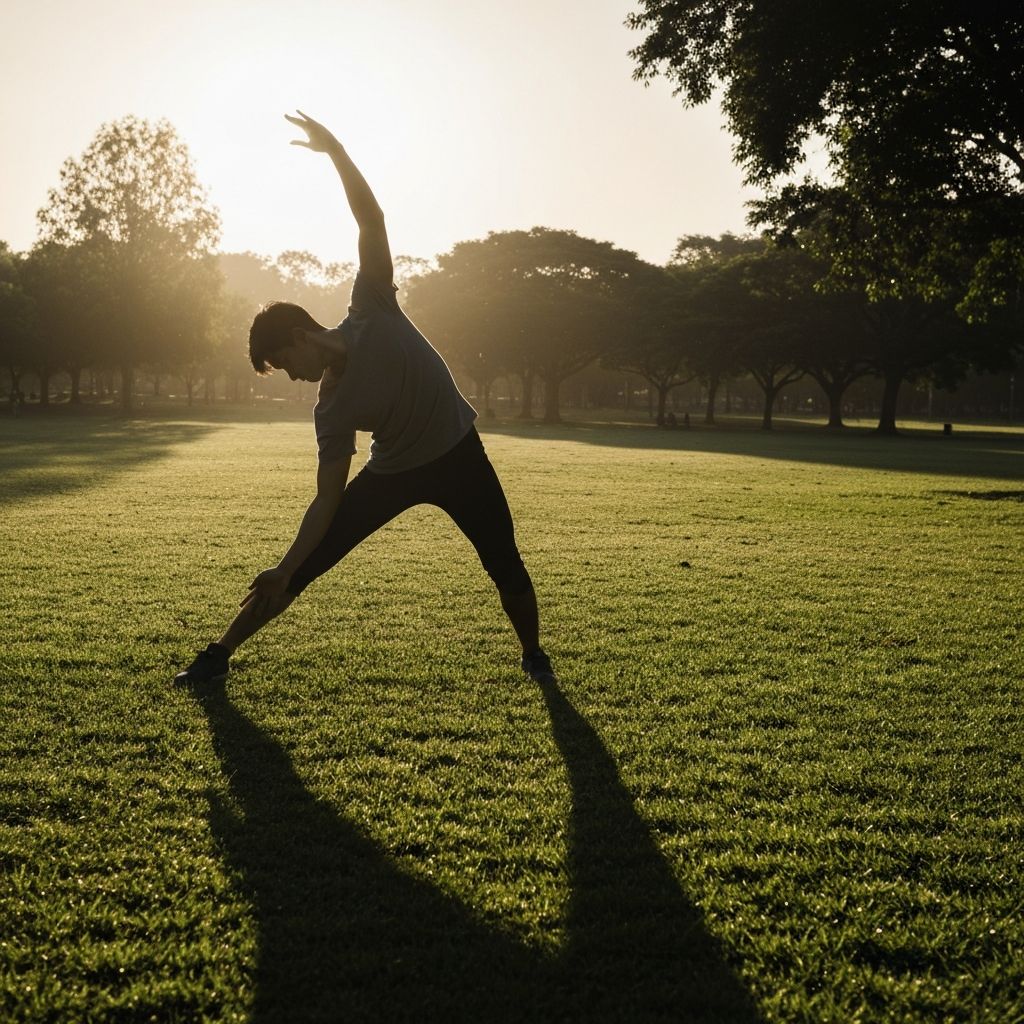
Silhouette of person stretching gently in morning light representing mindful physical practice

The Concept of Mindful Movement

Mindful physicality emphasizes awareness during movement. This involves paying attention to how the body feels during exercise, adjusting intensity based on bodily signals, and approaching physical practice from a perspective of supporting overall wellness rather than pursuing extreme goals.

Awareness during physical practice can enhance the experience and may support better decision-making about what forms of movement feel sustainable for the individual.

Physical Activity and Overall Well-being

💪

Physical Resilience

Regular movement contributes to muscular and cardiovascular function and bone density.

🧠

Mental Clarity

Physical activity is associated with improved mood and cognitive function through neurochemical changes.

⚖️

Emotional Balance

Movement can support stress reduction and overall emotional well-being through various mechanisms.

🌟

Energy Regulation

Physical activity affects energy levels, sleep quality, and daily vitality through physiological processes.

Movement and Individual Differences

Different individuals have varying relationships with physical activity based on age, fitness level, injury history, preferences, and cultural background. What feels sustainable and enjoyable varies greatly between people. The understanding that physical practice should feel manageable and aligned with individual circumstances supports long-term engagement.

Educational Context

This article presents information about physical practices from an educational perspective. It does not provide exercise prescriptions or medical recommendations. Individuals with existing health conditions should consult healthcare professionals before beginning new physical activity programs. Exercise programming should be tailored to individual abilities and circumstances.

Educational content only. No promises of outcomes.

This website provides informational resources for understanding wellness concepts. It does not offer medical advice, diagnoses, or treatment recommendations. Individual health decisions should be made in consultation with qualified healthcare professionals.

Back to Blog